15/10/2026
My Cat Is Bored: Signs to Look For and Simple Solutions
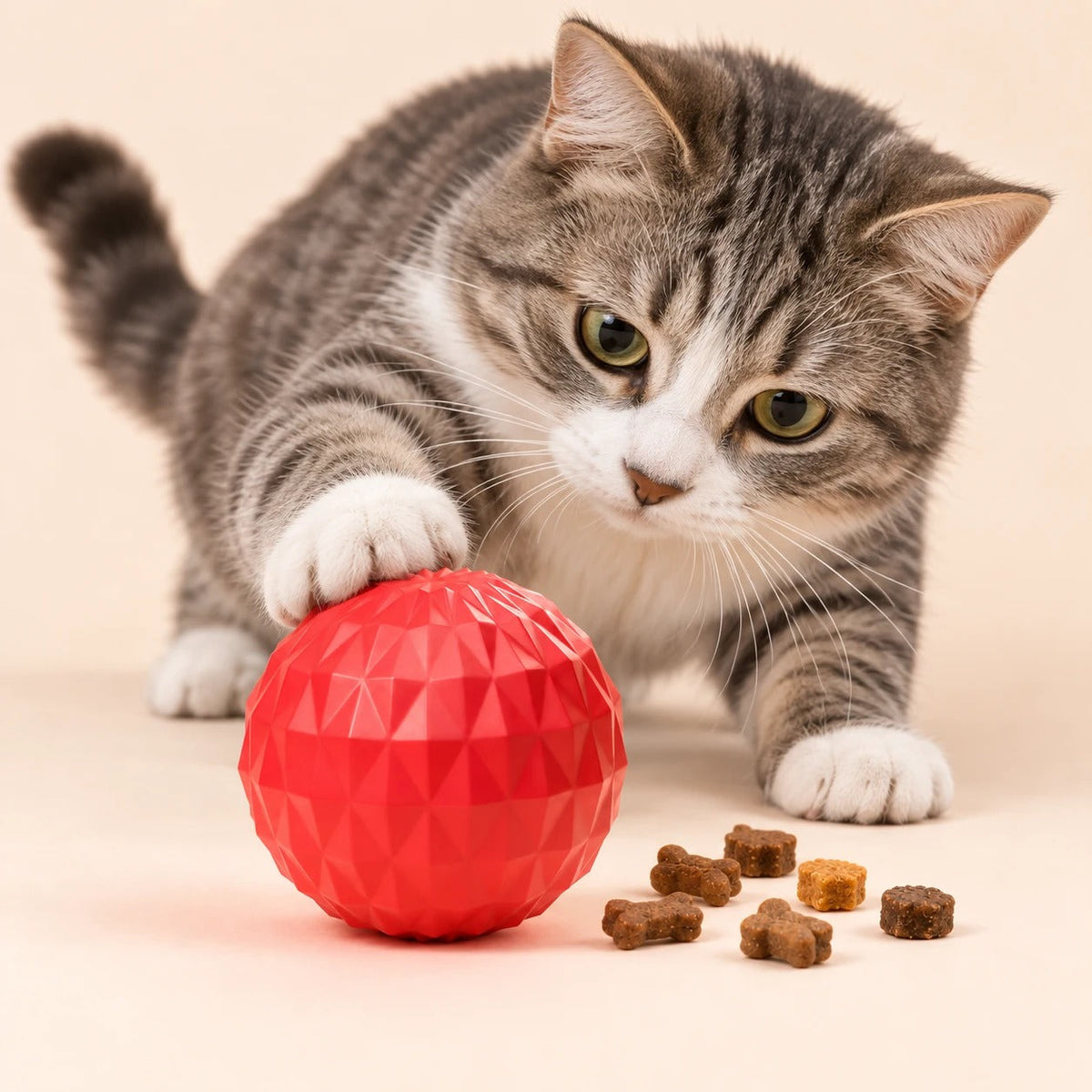
Does your cat sleep a lot, then wake you up at 5 a.m., scratch the sofa or nibble your ankles every time you walk past? They might be bored. It's common in cats who live indoors: they've kept their hunter's needs, but don't have much to hunt. Here's how to spot boredom and, above all, how to fix it simply.
Why indoor cats get bored
In the wild, a cat spends a good part of their waking hours exploring, watching, chasing and catching small prey. At home, their meal simply appears in the bowl and their territory never changes. All that hunting energy has to go somewhere… and sometimes it goes into your curtains.
Enrichment simply means giving your cat opportunities to use their senses and instincts again: searching, climbing, watching, and playing at catching things.
Signs that your cat may be bored
- Repeated mischief: things pushed off the table, scratched furniture, chewed plants.
- Insistent meowing, especially to get your attention.
- Restlessness at night: crazy zoomies, very early wake-up calls.
- Ankle or hand attacks, as if they were hunting.
- Constantly asking for food, sometimes just for something to do.
- Or the opposite: they hardly do anything any more and seem listless.
First, rule out a health problem
Be careful: several of these signs can also have a medical cause. A cat who licks themselves until they lose fur, suddenly changes appetite, loses or gains weight, meows much more than before (especially if they're older) or becomes listless should be seen by a vet. The ideas below complement veterinary care; they don't replace it.
Simple ways to keep your cat busy
Short play sessions, but every day
A fishing-rod toy or a feather wand and a few minutes of play several times a day: that's often more useful than one long session. Move the toy like prey (hiding, stopping, darting off again), let your cat catch it now and then, and finish with a real "catch". Many owners follow up with a small meal: hunt, catch, eat, then groom and nap.
Avoid playing with your hands: your cat would learn that they're prey.
Make them search for their food
This is one of the simplest ways to enrich their daily life. Instead of serving everything in the bowl, use part of their daily kibble portion to get them working:
- hide a few pieces of kibble around the house, in easy spots at first, then higher up or further away;
- slip some into a cardboard egg box or into empty toilet-paper rolls;
- use a food-dispensing toy, such as a treat ball.
The Pattoune treat ball is made for exactly that: a red, faceted 8 cm ball made of soft rubber that releases kibble one piece at a time when your cat pushes it with a paw. They have to try several times, which turns part of their meal into a game.
Think vertical
Cats love to watch their territory from above. A cat tree, a clear shelf or a secure windowsill with a view outside (birds, passers-by) can keep them busy for a long time. If you have a balcony, make sure it's properly secured before letting them out there.
Rotate the toys
A toy that has been lying on the floor for weeks no longer interests anyone. Put most of the toys away and bring out two or three different ones each week: the "novelty" effect comes back.
Give them things to scratch and explore
A sturdy scratching post placed near their resting spot helps them scratch somewhere other than the sofa. A simple open cardboard box, a paper bag (without handles) or a new tunnel is often enough to spark their curiosity. Some cats love catnip, but not all of them.
How to use a treat ball with a cat
- Start easy: put in a few pieces of kibble and show them that they fall out by rolling the ball in front of them.
- Use small dry kibble that passes easily through the opening. No wet food.
- Take it from their daily portion so you don't overfeed them.
- Watch the first sessions. Remove the toy if they chew it or if it gets damaged.
- Rinse it regularly in lukewarm water with a little washing-up liquid, then let it dry.
Some cats get it in two minutes, others need a few days. Be patient and keep the experience positive. You'll find more tips in our treat ball guide.
To go further, also check out our brain games and sniffing games to play at home.
Frequently asked questions
How long should I play with my cat each day?
There's no single rule. Several short sessions spread throughout the day suit most cats. Adapt to their age and energy level: a kitten and a senior cat don't have the same needs.
Can a second cat solve the boredom problem?
Not necessarily. Some cats enjoy the company of another cat, others cope badly with it. It's a decision to think through carefully, ideally with your vet's advice.
My cat isn't interested in the treat ball. What should I do?
Fill it with kibble they love, roll it in front of them to show that pieces fall out, and offer it before a meal, when they're a little hungry. With a bit of patience, many cats end up figuring it out.