15/10/2026
Kibble Dispenser Ball: What It's For and How to Choose One
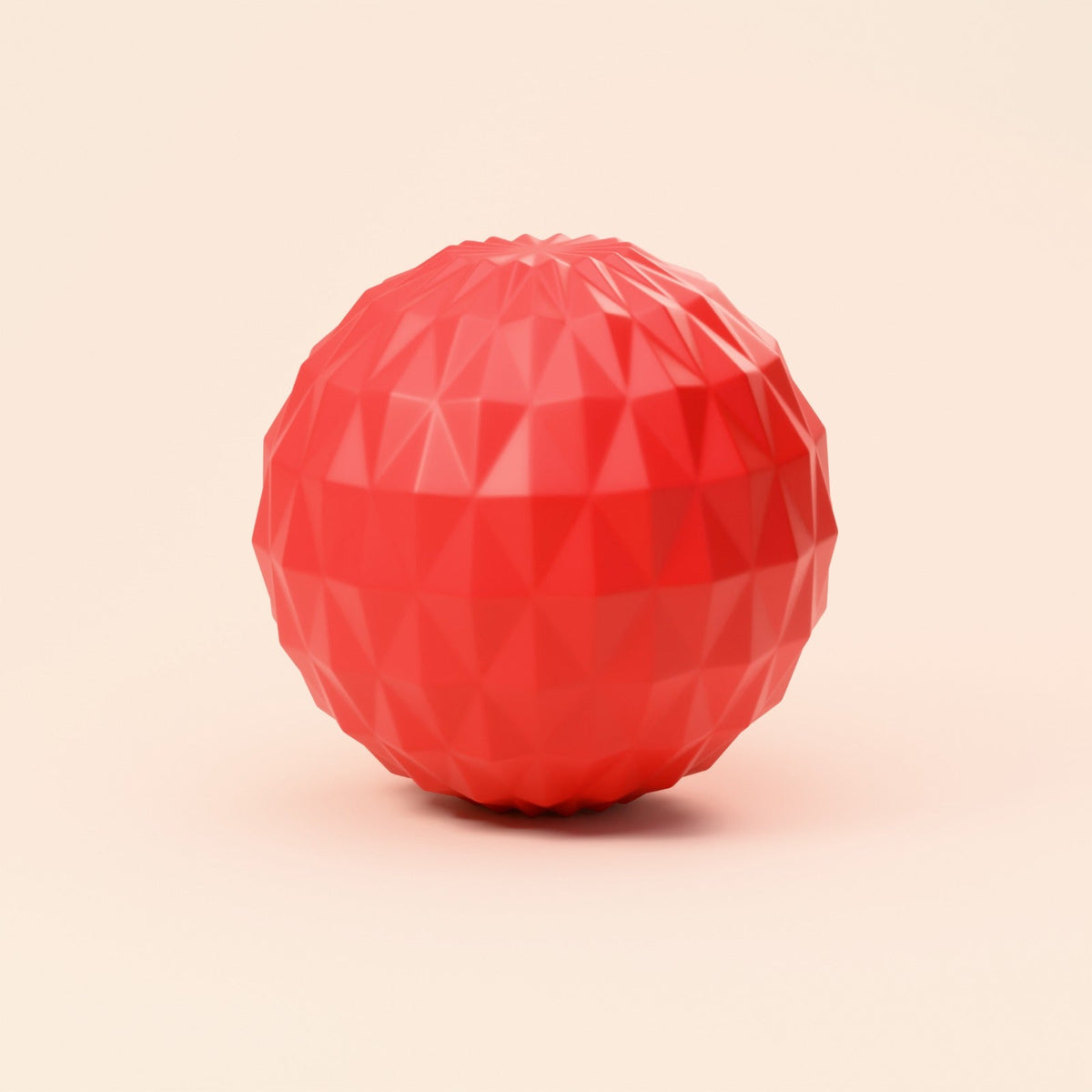
Is a kibble-dispensing ball just a gimmick, or a real plus for your pet? Well chosen and used properly, it can turn a meal gulped down in a few seconds into a time for play and searching. Here's how it works, what it can (and can't) do, and what to look for to choose the right one.
How does a kibble dispenser ball work?
The idea is simple: the ball is hollow, with an opening you slip dry kibble into. When your dog or cat pushes it with their nose or paw, it rolls and drops the kibble one piece at a time, depending on how it moves. So to eat, they have to search, try and try again.
You'll also find it called a treat ball, treat-dispensing ball, kibble ball or food-dispensing toy.
What is it actually for?
Keeping your pet busy
A toy that "rewards" keeps them interested for longer than a regular ball. That's why it's often suggested for bored indoor dogs and cats, during playtime with you.
Working their nose and their brain
Sniffing, pushing, figuring out which way to roll the ball: it's a little mental stimulation, which is tiring in its own way too.
Slowing down mealtime
Since the kibble comes out one piece at a time, your pet can't swallow everything at once. For a pet who wolfs down their bowl, it's a simple way to make part of their meal last longer.
What it doesn't do
Let's be honest: a dispenser ball doesn't replace walks, playing with you or your company. Nor is it a programmable feeder to feed your pet while you're away. And if your pet eats abnormally fast or their appetite has changed, the first step is still to get a vet's advice.
How to choose the right dispenser ball
1. Size, the number one criterion
It's a safety issue. The ball must be big enough that your pet can't swallow it or get it stuck in their mouth. A small-diameter ball suits cats and small dogs; a medium or large dog needs a bigger model designed for them.
For example, the Pattoune ball measures 8 cm: it's designed for cats and small dogs, and must not be given to a large dog, who could swallow it.
2. Material
- Hard plastic: often more rigid, but noisier on tiles or wooden floors.
- Soft rubber (such as TPE, a thermoplastic): nicer under the paw and quieter when it rolls.
Whatever the material, no toy is indestructible. If your dog is a heavy chewer, keep a close eye on them and remove the toy as soon as a piece is torn off.
3. The opening and your kibble
Check that your usual kibble fits through the opening. Small dry kibble comes out more easily; kibble that's too big may get stuck and discourage your pet. Wet food isn't suitable for this type of toy.
4. Shape
A perfectly smooth sphere rolls far and fast. A faceted ball has a slightly less regular path: it stops, starts again and changes direction, which can make the game more interesting to follow.
5. Cleaning
Leftover kibble and saliva build up: choose a model you can rinse easily. A wash in lukewarm water with a little washing-up liquid, followed by thorough drying, is usually enough.
How to introduce it gently
- Show them how it works: fill it with a few pieces of kibble and roll it in front of them so they see the kibble fall out.
- Start easy: just a little kibble, on a clear floor, with no obstacles.
- Stay nearby the first few times to watch how they play.
- Make it harder little by little: more kibble, a rug where the ball doesn't roll as well, another room.
- Count this kibble as part of their daily portion.
Our treat ball guide goes through these steps in detail, for cats and small dogs.
Safety rules to keep in mind
- A size suited to your pet, never too small.
- Supervise the first sessions.
- Remove the toy if it's damaged, cracked or chewed.
- If you have several pets, separate them during play to avoid squabbles over food.
Does your dog empty their bowl in the blink of an eye? Also read our article my dog eats too fast: simple solutions.
Frequently asked questions
Is a dispenser ball suitable for cats?
Yes, as long as you choose a suitable size and opening. Many cats love pushing it with their paw. Some just need a few days to figure out how it works.
Can I use treats instead of kibble?
Yes, if they're dry and small enough to fit through the opening. Keep treats to a reasonable amount and take into account what your pet eats during the day.
How much kibble should I put in?
Start with a small handful, so the first successes come quickly. You can add more once they've got the hang of it, always taking it from their daily portion.